
Thomas Valter • Director of Product Management, RTW
March 11, 2026
Introduction
More than 20 years ago, sudden jumps in loudness were identified as a major concern for broadcasters. Viewers frequently complained about noticeable loudness differences between programmes and advertisements, as well as abrupt changes when switching between TV channels.
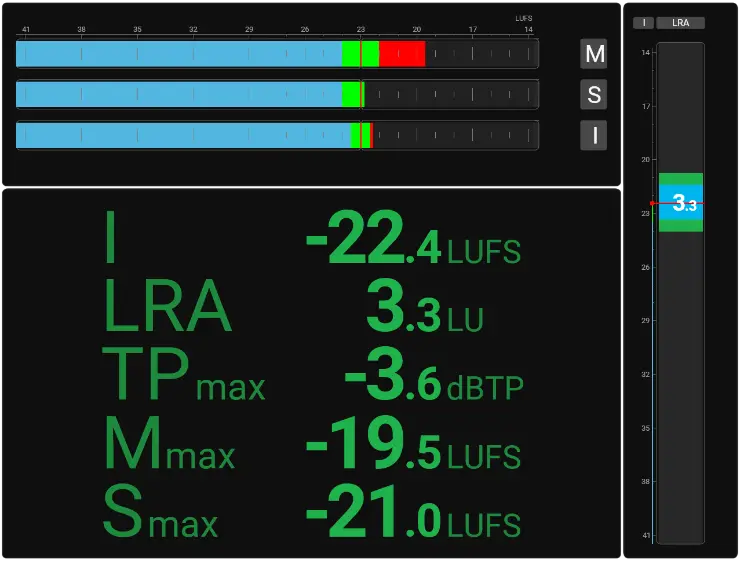
After many years of work, we now have agreed standards for how to measure loudness (Integrated, Short-term Max, Momentary Max, Loudness Range etc.). In addition, there are recommendations, and in some cases legislation, that define, or in some regions mandate, target loudness values.
These standards help broadcasters and other content producers avoid the annoying jumps in loudness that audiences have long complained about.
To get an overview of these recommendations, take a look at our World Wide Delivery Standards Blog.
What's next? Dialog!
Broadcasters increasingly receive complaints from listeners and viewers who struggle to understand what is being said and therefore rely on subtitles to follow the dialog. This issue is not limited to television; it also affects radio, podcasts, streaming services, and other spoken-content platforms.
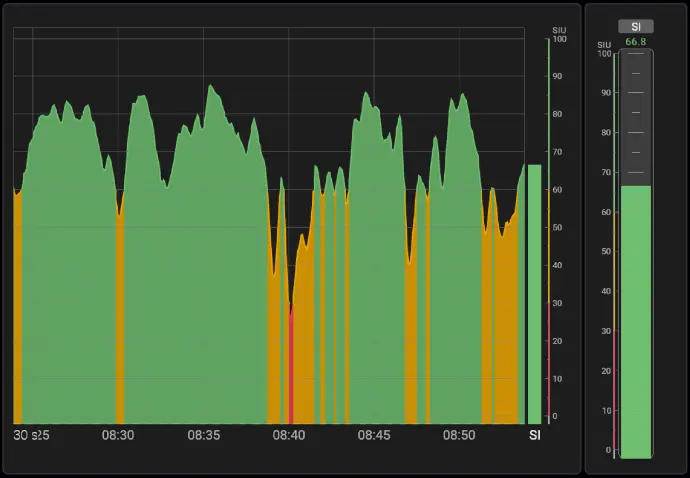
Dialog intelligibility has long been a concern across speech-focused segments of the audio industry. In recent years, however, attention to this topic has intensified as new tools have emerged that help sound engineers optimize their mixes for improved intelligibility.
At the same time, broadcasters are increasingly developing internal guidelines and recommendations aimed at improving dialog clarity. Organizations such as the European Broadcasting Union have published a number of recommendations, while new AI-based analysis tools continue to evolve.
On the technology side, things are also evolving. For instance, the Fraunhofer Institute for Digital Media Technology has introduced a technology that uses AI to assess dialog intelligibility.
At RTW, we closely follow these developments and actively contribute to the search for objective and reliable measurement methods that can be applied across languages and use cases.
While the industry has not yet reached a universal solution, this series of blog articles will explore the different technologies involved and how they are reflected in RTW’s measurement tools.